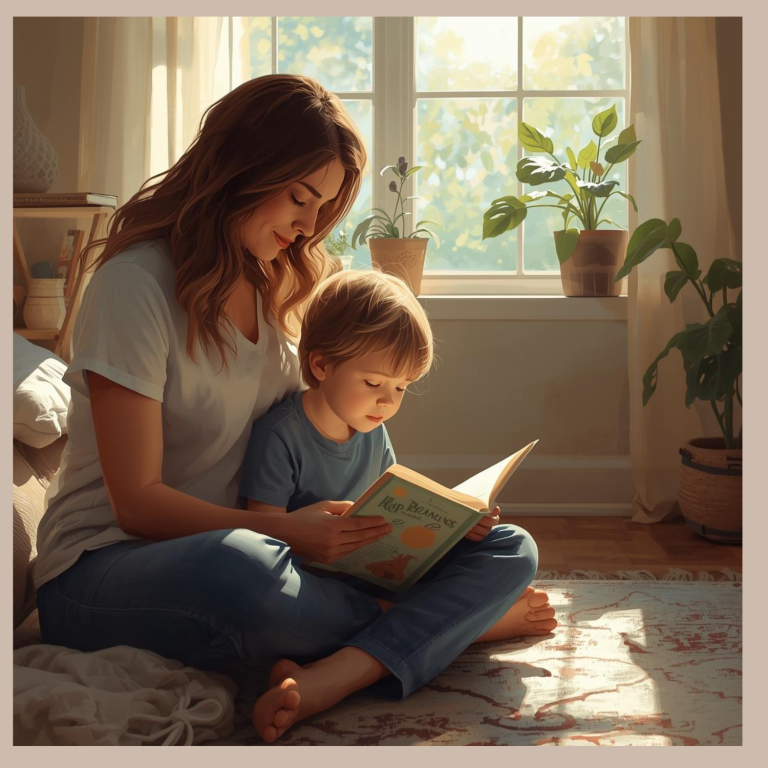
How to Teach A Child to Read At Home
Teaching a Child to Read at Home
There are few moments in a parent’s life as magical as watching your child learn to read. It’s like witnessing a secret code being cracked, a new world opening right before their eyes. The journey from recognizing letters to devouring chapter books is a foundational one, setting the stage for all future learning. As a homeschooling parent, you have the unique and beautiful opportunity to guide your child through this adventure firsthand.
Teaching reading can feel like a monumental task, but it doesn’t have to be intimidating. It’s not about having a special degree or expensive materials. It’s about patience, consistency, and creating a joyful environment where letters and words come to life. This guide will walk you through the essential steps, from building a strong phonics foundation to fostering a deep love of stories. You have everything you need to be your child’s best reading teacher.
Understanding the Building Blocks of Reading
Before a child can run, they must learn to walk. Similarly, reading is built upon a sequence of essential skills. Understanding this progression will help you guide your child logically and without overwhelming them. The core components are phonemic awareness, phonics, sight words, fluency, and comprehension.
For a helpful overview of how to begin, take a look at How to Teach a Child to Read at Home, where I share the strategies that worked with my own kids.
Step 1: Phonemic Awareness – The Ability to Hear Sounds
Phonemic awareness is the ability to hear, identify, and play with the individual sounds (phonemes) in spoken words. This is purely auditory; no letters are involved yet. It’s about training your child’s ear.
- Sound Games: Play “I Spy” with sounds instead of letters. “I spy with my little eye, something that starts with the /m/ sound.”
- Rhyming: Read rhyming books and poems. Leave out the last word of a rhyming pair and let your child fill it in.
- Clapping Syllables: Help your child hear the parts of a word by clapping out the syllables in their name (Ma-ry), family members’ names (Grand-ma), and everyday objects (ba-na-na).
Dive deeper into these essential pre-reading skills with my post: Phonemic Awareness Activities for Home.
Step 2: Phonics – Connecting Sounds to Letters
Once your child can hear the sounds in words, it’s time to connect those sounds to written letters. This is the heart of phonics. The goal is for your child to see the letter ‘b’ and instantly know it makes the /b/ sound.
If you’re looking for resources and step-by-step guidance, you’ll find more details in Phonics Strategies for Struggling Readers.
Step 3: Introducing Sight Words
While phonics is crucial for decoding unknown words, some of the most common words in English don’t follow the rules (e.g., the, was, you, said). These are called sight words, and children learn to recognize them automatically.
- Create Flashcards: Make simple flashcards for high-frequency words. Practice them for just a few minutes each day.
- Make it a Game: Turn it into a scavenger hunt. Write sight words on sticky notes and hide them around a room for your child to find and read.
- Point Them Out in Books: When reading aloud, point to common sight words as you say them. This helps your child see the words in context.
Need inspiration for fun sight word activities? Visit Creative Ways to Teach Sight Words at Home.
Step 4: Building Fluency – Reading Smoothly
Fluency is the ability to read with speed, accuracy, and proper expression. It’s the bridge between decoding words and understanding the story. A fluent reader doesn’t have to stop and sound out every single word, freeing up mental energy to focus on the meaning.
- Read Aloud Daily: The single most important thing you can do is read to your child every day. They will hear what fluent reading sounds like and absorb vocabulary, sentence structure, and the rhythm of language.
- Use Decodable Readers: These are simple books designed to include only the phonics sounds and sight words your child has already learned. They allow your child to practice their new skills and experience the success of reading a whole book by themselves.
- Practice, Practice, Practice: Encourage your child to re-read favorite books. With each reading, their speed and confidence will grow.
For support and tips on helping your child become a confident, fluent reader, don’t miss How to Build Reading Fluency at Home.
Creating a Reading-Friendly Home
Your environment plays a huge role in fostering a love of reading. You want to create a home where books are seen as treasures and reading is a joyful, normal part of daily life.
- Have a Reading Nook: Designate a cozy corner with good lighting, comfy pillows, and a basket of books. Make it an inviting space where your child wants to spend time.
- Let Them See You Read: Be a reading role model. When your kids see you enjoying a book, magazine, or newspaper, it sends a powerful message that reading is a valuable and enjoyable activity for adults, too.
- Visit the Library Regularly: Make weekly or bi-weekly trips to the library a special outing. Let your child have their own library card and the freedom to choose their own books. This gives them a sense of ownership over their reading journey. For more tips on making your home a learning haven, see our guide on Creating a Homeschool Schedule You’ll Actually Stick To.
Overcoming Common Reading Challenges
Every child learns at their own pace. It’s normal to encounter a few bumps along the road.
- If Your Child is Resistant: Don’t force it. Reading should never feel like a punishment. If they are getting frustrated, take a break and switch to a fun, hands-on activity. Revisit it later when you are both in a better frame of mind.
- If They Keep Guessing Words: This often happens when a child relies too much on pictures. Gently cover the picture with your hand and encourage them to look at the letters and sound out the word.
- If They Confuse Letters like ‘b’ and ‘d’: This is very common for young learners. Address it with multi-sensory practice. Have them trace the letters while saying the sound. You can also use mnemonic devices, like explaining that ‘b’ has a “belly” and ‘d’ has a “diaper.”
You Are the Perfect Teacher
Remember that you know your child better than anyone else. You know their interests, their passions, and when they need a little push or a comforting hug. Use that knowledge to make learning to read a personal and meaningful experience. If they love dinosaurs, find books about dinosaurs. If they are obsessed with trucks, read everything you can about trucks.
Teaching your child to read is one of the greatest gifts you can give them. It is a skill that will unlock countless doors, fuel their imagination, and serve them for their entire lives. Embrace the process, celebrate the small victories, and enjoy every step of this incredible journey together.
Ready to Dive Deeper?
Looking for more help with reading? Check out these helpful resources from our site:
- My Ultimate Guide to Teaching Reading at Home – A deep dive into methods, strategies, and step-by-step instructions for parents.
- Phonics Activities for Early Readers – Fun, hands-on activities designed to build phonics skills with young learners.
- How to Use Phonics and Sight Words Together – Tips for balancing these essential early reading skills.
- Help! My Child is Struggling to Read – Encouragement and practical advice if your child needs extra support.
- Top Beginner Reader Book Picks – A curated list of favorite books to motivate new readers.
- Homeschooling Resources – A curated collection of printables, guides, and more to help you on your journey.
And if you’d like exclusive video tips and support delivered every week, be sure to subscribe to our YouTube Channel: [Homeschoolmomof8]